Duct Sizing
CFM to round and rectangular duct, by friction rate.
8 articles
What size duct for 400 CFM on a rigid branch?
| Round ducttheoretical 11.1″ rounded up to a size that exists | 12″ |
|---|---|
| Actual velocitytarget for a rigid branch is 600 fpm | 509fpm |
| Target velocitysheet metal run to a single register | 600fpm |
| Rectangular equivalentsame area at 8″ deep — the dimension a joist bay usually limits | 15″ × 8″ |
| Cross-section | 0.785ft² |
| Noise riskbelow the threshold where duct noise becomes noticeable | Normal |
Notes
- 12″ is the smallest stock size that carries 400 CFM at 600 fpm. The arithmetic gives 11.1″; ducts come in whole inches, so the real answer rounds up and the real velocity drops to 509 fpm. Rounding down to save a size is the most common way a system ends up noisy.
- Velocity is a trade, not a target to minimise. Slower air means bigger duct, more sheet metal and more ceiling given up. Faster air means smaller duct and a system you can hear from the sofa. At 509 fpm this run sits in the quiet band.
- Flex is not rigid with a different label. The corrugated inner wall raises friction loss substantially over smooth metal of the same diameter, and flex that is not pulled tight — the normal condition in a real attic — is worse again. If this run ends up in flex, size it as flex, not as metal.
- The duct is half the answer; total static pressure is the other half. Every elbow, boot and takeoff adds equivalent length, and a system can have every duct correctly sized and still fail because the total run is too long for the blower. Size the ducts here, then measure static pressure at the air handler.
- Rectangular equivalents are matched on area at 8″ deep. Flatter ducts of the same area carry less air than round: the more the shape departs from a circle, the more wall there is per unit of flow, and friction follows wall.
Duct size by CFM
60 calculations · browse all
- What size duct for 50 CFM on a rigid main trunk?
- What size duct for 50 CFM on a rigid branch?
- What size duct for 50 CFM on a flex branch?
- What size duct for 50 CFM on a return?
- What size duct for 75 CFM on a rigid branch?
- What size duct for 75 CFM on a flex branch?
- What size duct for 75 CFM on a return?
- What size duct for 100 CFM on a rigid main trunk?
- What size duct for 100 CFM on a flex branch?
- What size duct for 100 CFM on a return?
- What size duct for 150 CFM on a rigid main trunk?
- What size duct for 150 CFM on a rigid branch?
- What size duct for 150 CFM on a return?
- What size duct for 200 CFM on a rigid main trunk?
- What size duct for 200 CFM on a rigid branch?
- What size duct for 200 CFM on a flex branch?
- What size duct for 250 CFM on a rigid main trunk?
- What size duct for 250 CFM on a rigid branch?
- What size duct for 250 CFM on a flex branch?
- What size duct for 250 CFM on a return?
- What size duct for 300 CFM on a rigid branch?
- What size duct for 300 CFM on a flex branch?
- What size duct for 300 CFM on a return?
- What size duct for 400 CFM on a rigid main trunk?
- What size duct for 400 CFM on a flex branch?
- What size duct for 400 CFM on a return?
- What size duct for 500 CFM on a rigid main trunk?
- What size duct for 500 CFM on a rigid branch?
- What size duct for 500 CFM on a return?
- What size duct for 600 CFM on a rigid main trunk?
- What size duct for 600 CFM on a rigid branch?
- What size duct for 600 CFM on a flex branch?
- What size duct for 800 CFM on a rigid main trunk?
- What size duct for 800 CFM on a rigid branch?
- What size duct for 800 CFM on a flex branch?
- What size duct for 800 CFM on a return?
- What size duct for 1000 CFM on a rigid branch?
- What size duct for 1000 CFM on a flex branch?
- What size duct for 1000 CFM on a return?
- What size duct for 1200 CFM on a rigid main trunk?
- What size duct for 1200 CFM on a flex branch?
- What size duct for 1200 CFM on a return?
- What size duct for 1600 CFM on a rigid main trunk?
- What size duct for 1600 CFM on a rigid branch?
- What size duct for 1600 CFM on a return?
- What size duct for 2000 CFM on a rigid main trunk?
- What size duct for 2000 CFM on a rigid branch?
- What size duct for 2000 CFM on a flex branch?
 What Size Duct for a Given CFM — And the Number That Decides It
A duct size chart is the last step. The friction rate is the first, and it is the number most people skip.
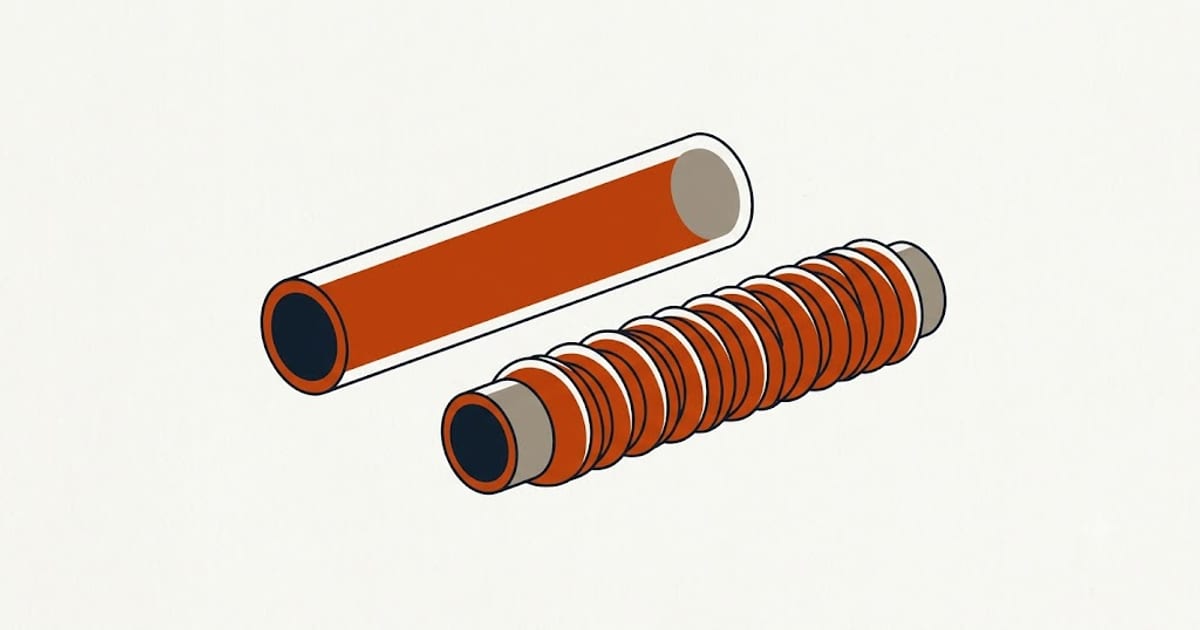 Flex or Rigid — The Same Diameter Does Not Carry the Same Air
Flex duct is cheap, fast and forgiving, and it is only forgiving of the installer.
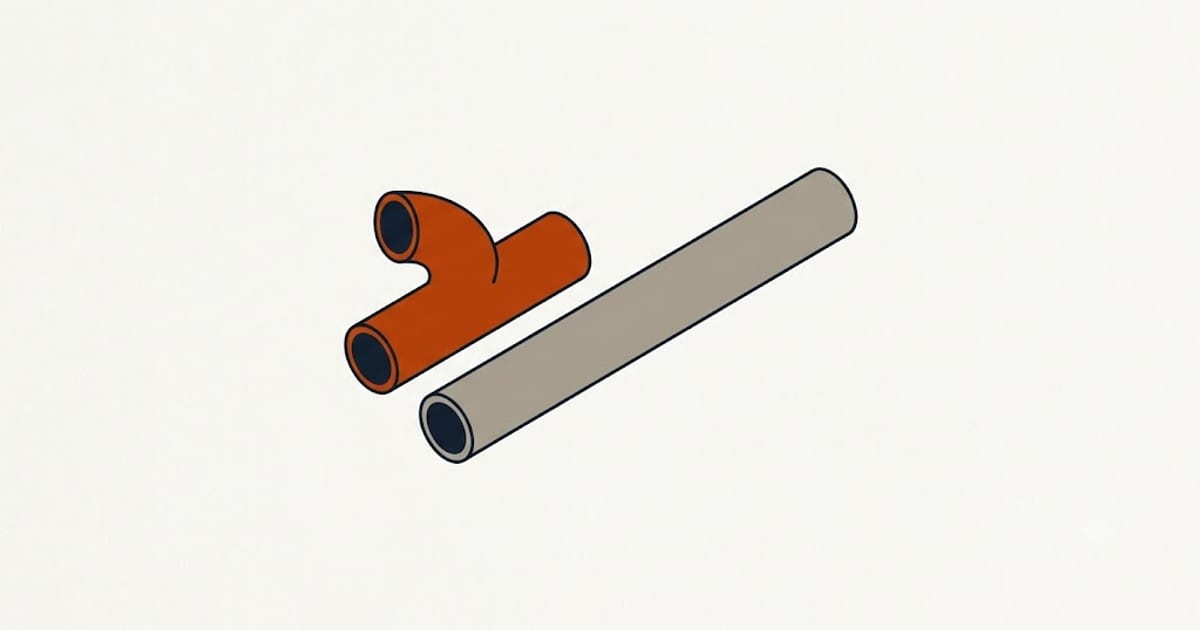 Fittings Behave Like Extra Duct, and That Is Where Systems Are Undersized
The tape measure gives one number and the design uses another, and the gap between them is why so many duct systems are too small.
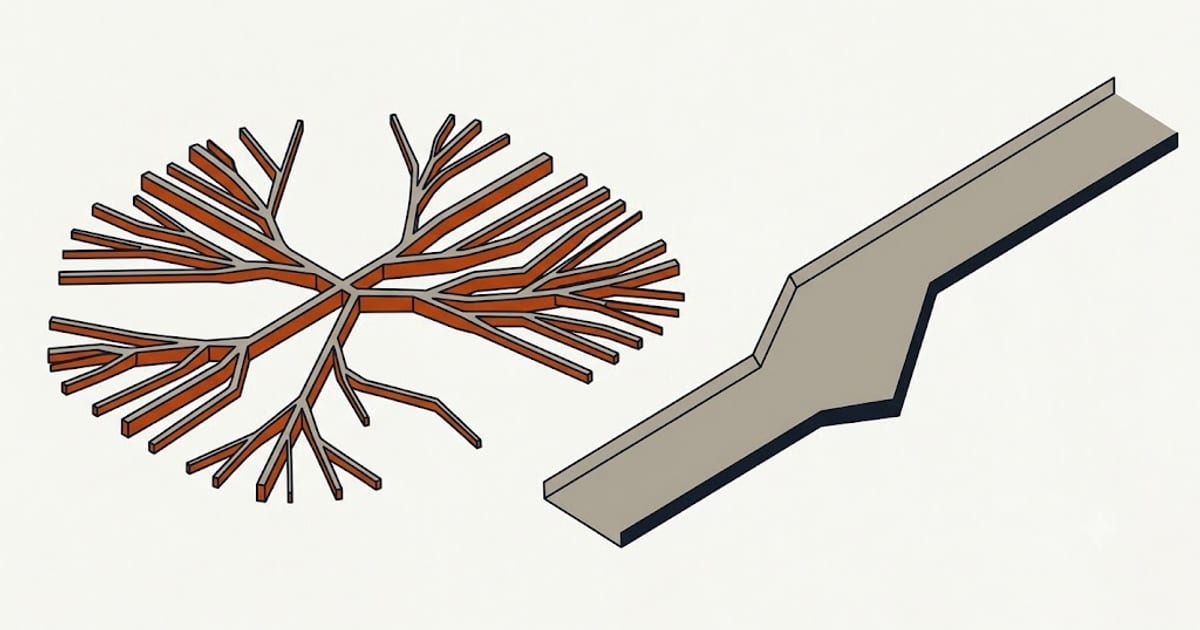 The Return Side Is Where Most Systems Are Short
Air has to get back to the equipment, and in most houses that is the half of the system nobody designed.
 Trunk and Branch, Radial, or Extended Plenum — Choosing a Layout
Where the equipment sits and how the trunk runs are settled before any duct is sized, and they constrain everything after.
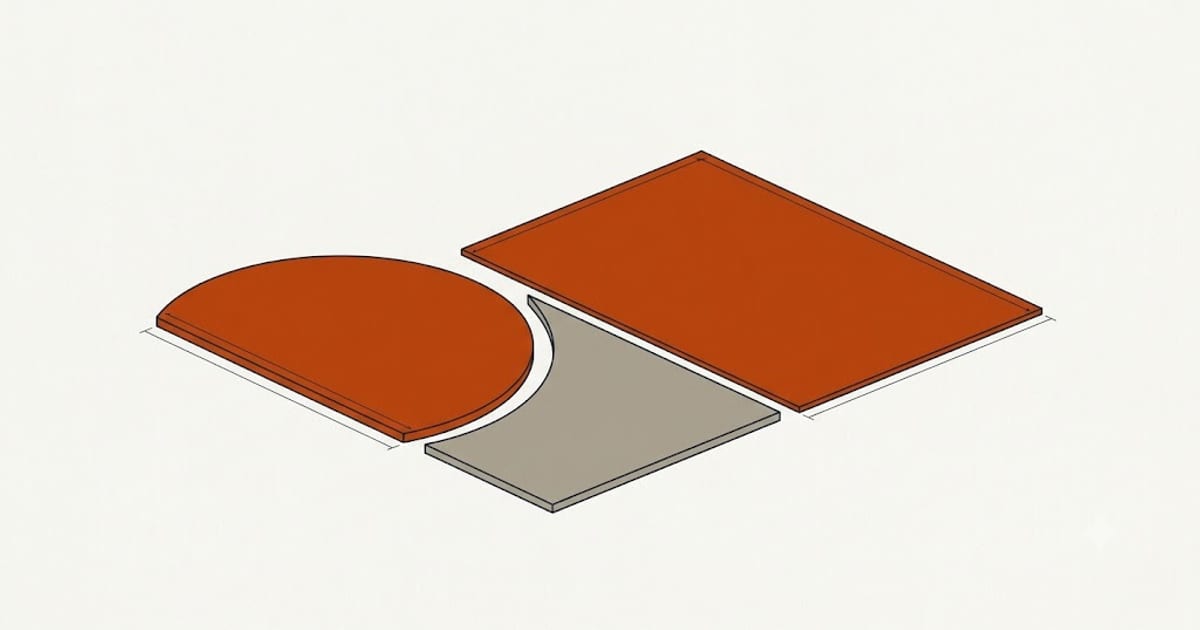 Round or Rectangular — Equivalent Diameter and the Aspect Ratio Penalty
A 20 by 8 duct and a 14 by 12 duct have the same area and do not carry the same air.
 A Heat Pump Needs More Air Than the Furnace It Replaced
The supply air feels cool, the rooms take longer to warm, and the ductwork is the reason.
 Is the Return Air Undersized? The Half of the System Nobody Sizes
A blower can only push what it can pull. Return is where the design corners get cut, because nobody complains about a return grille.