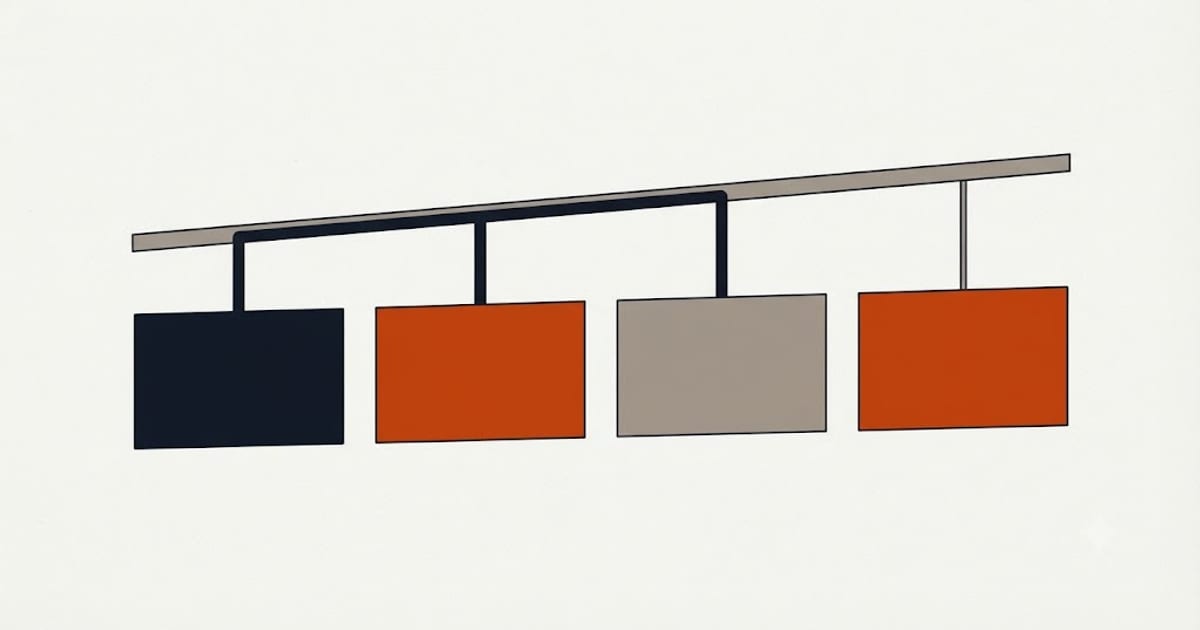
One room that never keeps up is one of three problems, and they need different money spent on them. Working out which one you have costs almost nothing; guessing costs whatever the first contractor quotes.
First, the thing that makes it worse
The instinct is to close the vents in the comfortable rooms to push more air to the bad one. It is worth understanding why this backfires.
A residential blower is designed for about 0.5 inches of water column of total external static pressure. Closing registers raises that pressure. Higher static means the blower moves less total air, not more — the fan is pushing against a tighter system. It also increases the pressure difference across the duct, so more air leaks out of every seam before it reaches any room.
The room you were trying to help usually gets slightly worse, the system runs less efficiently, and on some equipment the reduced airflow across the coil causes it to freeze.
Open the vents back up before diagnosing anything.
Cause one: not enough air is arriving
The commonest, and the cheapest to confirm. Hold a piece of tissue at the register with the system running: it should be held firmly against the grille. Compare against a room that works. A clear difference means delivery.
Then check, in this order:
The damper. Branch dampers sit at the takeoff, often in the attic or basement, and get moved during other work.
The flex duct. This is where the money is. Flexible duct pulled genuinely taut costs about twice what rigid metal costs in pressure. Left in gentle waves across the attic — which looks like a tidy installation — the loss multiplies several times over. A run left 15% short of its length costs around five times a rigid one, and a run coiled slack can cost eleven times.
It is invisible once the ceiling is closed, which is exactly why it persists.
A crushed or disconnected run. Storage boxes in an attic, a foot through a duct during a roof job, a boot that came off its collar. A disconnected branch dumps conditioned air into the attic and delivers nothing.
Cause two: the air cannot get out
A room with one supply and a door that closes has nowhere for the air to go. Push air in and pressure rises until the incoming air is fighting the pressure it created. Airflow falls, and it falls most in exactly the room you close the door to — a bedroom, at night, which is when it matters.
Test it: leave the door open for an evening. If the room becomes noticeably more comfortable, this is the cause.
The fix is a return path — a proper return register, a transfer grille through the wall, a jumper duct through the ceiling, or at minimum a decent undercut on the door. Doors are commonly undercut half an inch, which is nowhere near enough for a room receiving 150 CFM.
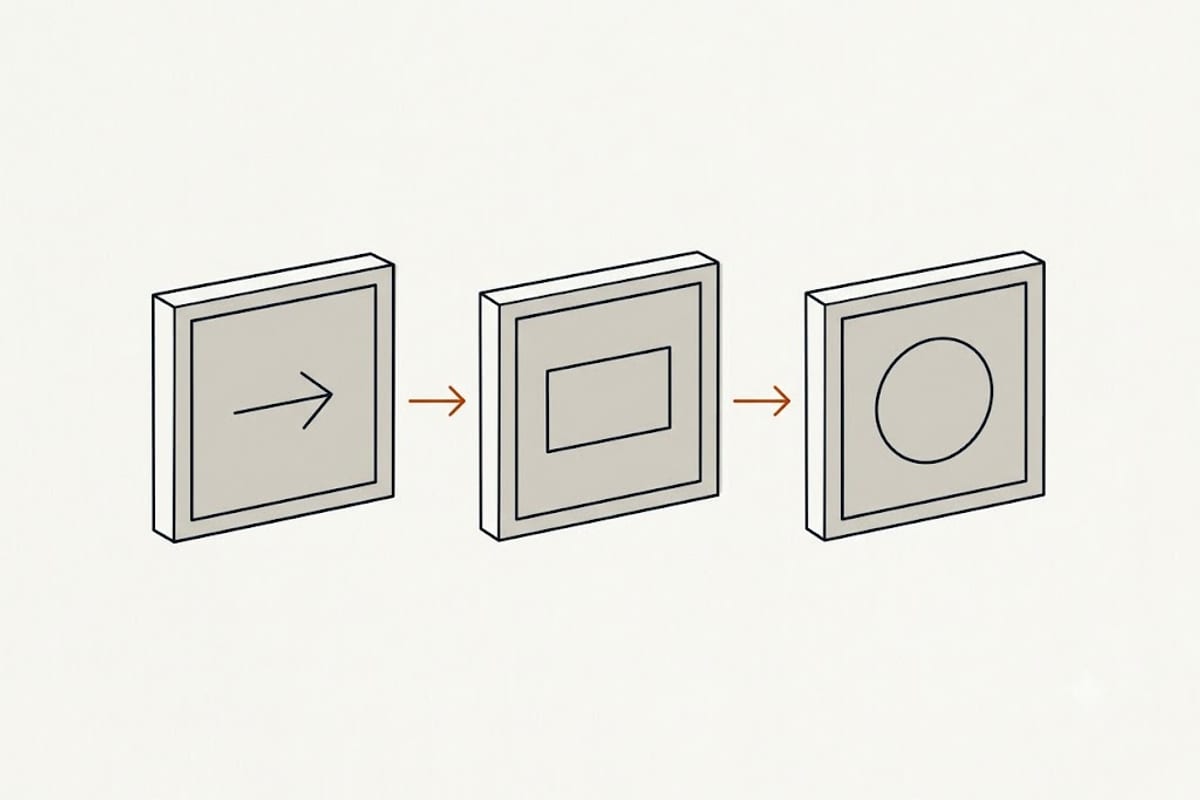
Cause three: the room genuinely needs more than it was designed for
Some rooms are simply harder: a bonus room over a garage, a west-facing room with large glazing, a room on the end of the house with three exterior walls, a converted attic.
If delivery measures the same as the working rooms and the return path is fine, the duct is doing what it was designed to do and the design was wrong. The answer is more airflow to that room — a second supply, a larger branch — or less load, meaning glazing, shading and insulation.
Adding a mini-split is a legitimate answer for a bonus room and often cheaper than re-ducting.
The measurement that settles it
A manometer with two static pressure ports — one before the coil, one after the blower — reads the system's total external static in ten minutes. It is the single most informative measurement in residential HVAC and it is almost never taken.
If total static is well over 0.5, the whole system is strangled and no amount of damper adjustment will fix one room. The usual culprits, in order:
- a 1-inch MERV 13 filter, which costs 0.45 in w.c. on its own — nearly the entire budget before the air has gone anywhere;
- undersized return ducting;
- and slack flex.
A contractor who has never measured static on your system does not know whether it is working.
The order that saves money
- Open every register.
- Compare delivery at the problem room against a good room.
- Test with the door open.
- Look at the branch: damper, duct condition, whether it is even connected.
- Have static pressure measured before agreeing to any equipment.
Steps one to four cost nothing. Step five costs a service call and it prevents the expensive mistake of replacing equipment that was never the problem.