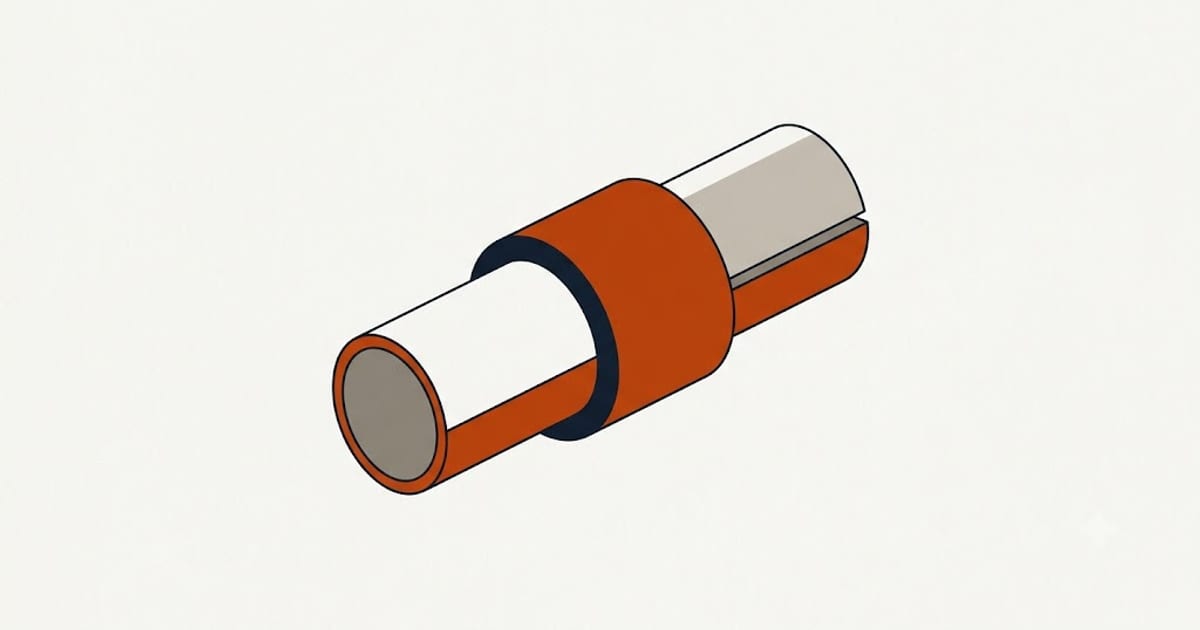
Duct leakage in existing houses is commonly measured at 20–30% of system airflow. That air is paid for, conditioned, and delivered to an attic or a crawl space.
Why duct tape fails
Cloth-backed rubber adhesive tape — the product actually called duct tape — dries out in the temperature swings of an attic and lets go.
This has been demonstrated in laboratory testing and it is visible in any attic where somebody used it a decade ago: the tape is still there, curled, with the joint open behind it.
It is not a matter of brand or technique. The adhesive is not suited to the temperature range or the service life.
What works
Mastic. A thick water-based compound brushed or gloved onto the joint, often with a fibreglass mesh tape embedded in it for gaps over a quarter inch. It stays flexible, it bonds to metal and to flex jackets, and it lasts the life of the duct.
UL 181 foil tape. Aluminium-backed with an acrylic adhesive, rated for duct use, and marked as such. Suitable for clean, accessible metal joints. Less forgiving than mastic on an irregular surface.
Aerosol sealing, which injects an adhesive aerosol into a pressurised duct system and seals leaks from the inside. Useful where ducts are inaccessible, and expensive.
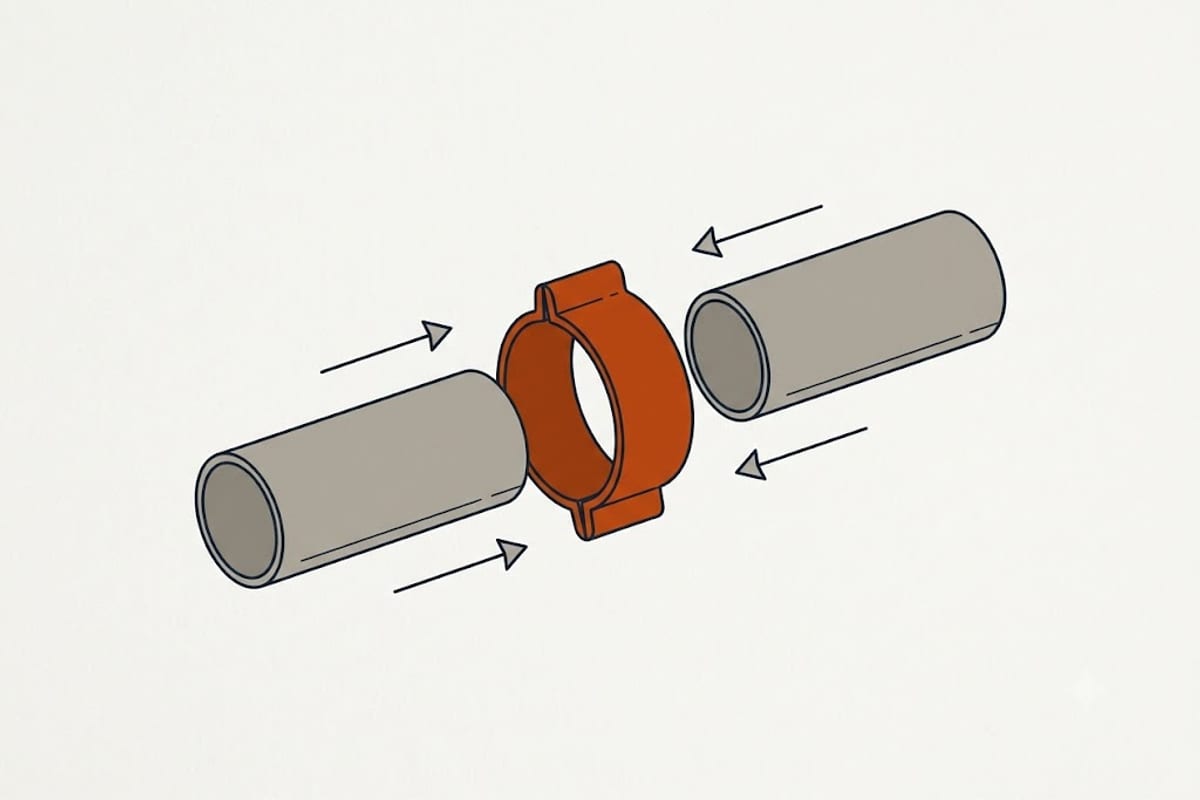
Mechanical fastening first — screws at metal joints, and the inner liner clamped and the outer jacket sealed separately on flex — then the sealant over it. Sealant is not a substitute for a properly made connection.
Where the leaks are
Boots, where the duct meets the ceiling or floor register. Frequently the single largest leak in a house and the easiest to reach.
Takeoffs at the trunk.
Plenum connections at the equipment.
Longitudinal seams and joints in sheet metal trunk.
Flex duct connections at both ends — the inner liner and the outer jacket are two separate seals and one of them is usually missed.
Panned joist and stud cavity returns, which are not sealed ducts at all and often leak enormously.
Why the return side matters more
A leaking supply duct dumps conditioned air into an attic. That is a waste.
A leaking return duct draws attic air — 140°F, humid, dusty — directly into the system. That adds sensible and latent load, brings in contaminants, and pressurises the house slightly, which pushes conditioned air out through the envelope.
A single unsealed return boot can account for a large share of a house's total duct loss, and return leaks are worth finding first.
Measuring it
A duct blaster pressurises the duct system with the registers sealed and measures the leakage in CFM at 25 pascals.
The refinement is duct leakage to outside, measured with a blower door running simultaneously, which distinguishes leaks into the house — which merely misdeliver air — from leaks into an attic or crawl, which lose it entirely.
Many jurisdictions require this test on new work, and many energy audits include it.
What it is worth
On a house with ducts in an unconditioned attic, sealing them is frequently the highest-return improvement available: it recovers a fifth or more of the system's delivered capacity, reduces the load, and improves every room at once.
Done before a system replacement, it can allow smaller equipment. Done after, it leaves a system oversized for the house it now serves.
Doing it yourself
The accessible parts — boots from below where a register can be removed, joints in a basement or a crawl — are within reach of a homeowner with a tub of mastic and gloves.
The inaccessible parts are what aerosol sealing exists for. Between them, most of the leakage in a typical house can be addressed without opening any ceilings.