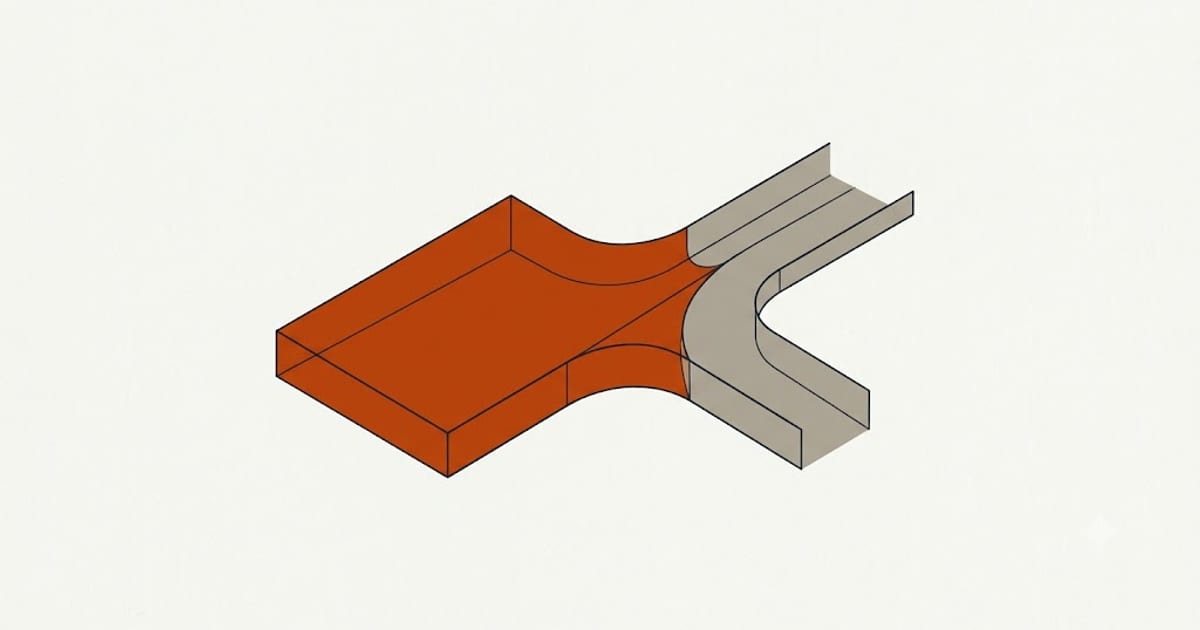
Most existing houses are short of return air, and adding some is the single most cost-effective change available to a duct system that is already installed.
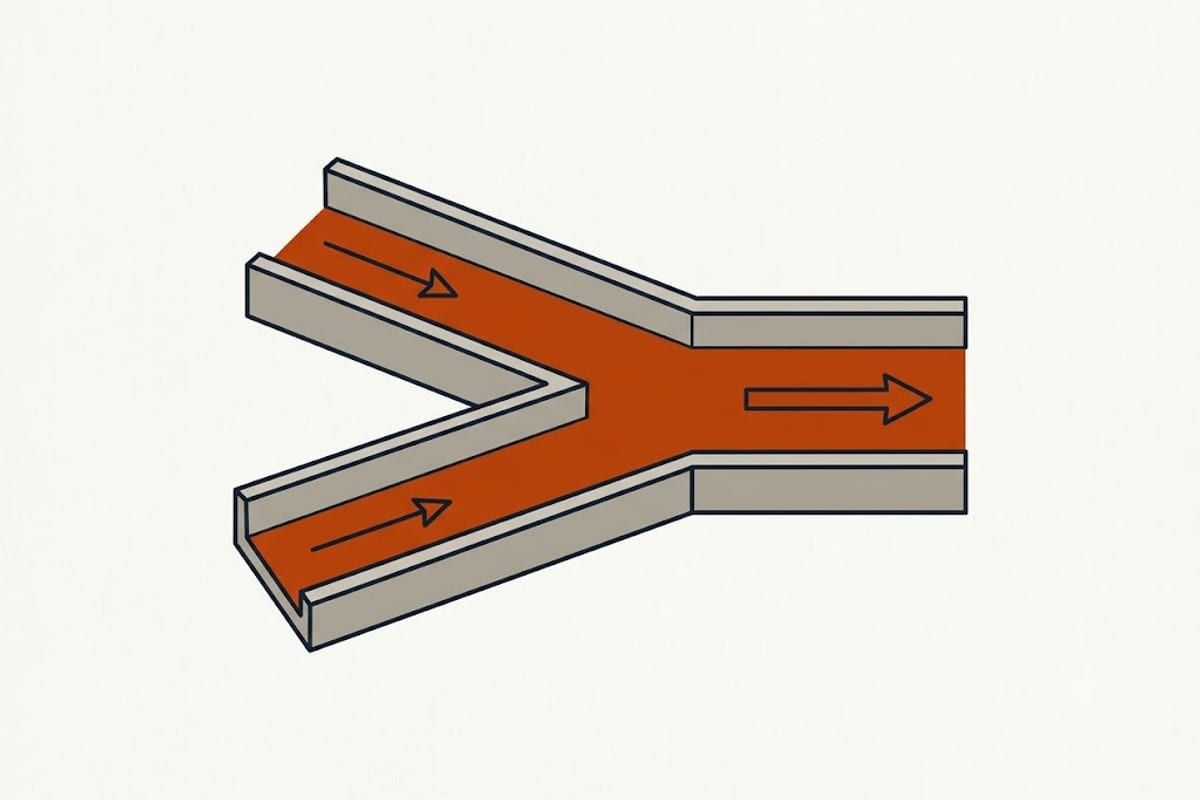
What it achieves
Lower total static pressure, which lets the blower deliver more air at every register in the house.
More airflow across the coil and the heat exchanger, which restores capacity and moves the temperature rise back into range.
Quieter operation, because the existing return is no longer moving all the air at high velocity.
Better performance from equipment already paid for, without changing any of it.
What determines the cost
Access, almost entirely.
Easiest: enlarging an existing return grille and the duct behind it, where the duct is reachable in a basement or a crawl.
Straightforward: a new return in a hallway ceiling with an accessible attic above, running to the return trunk.
Harder: a return on a floor with no accessible space above or below, requiring a chase or a soffit.
Hardest: a return in a room with finished surfaces on all sides and no route, where the answer is usually a transfer path to a nearby return rather than a new duct.
The equipment cost is small — grille, duct, fittings — and the labour and the making-good are the number.
Sizing what you add
The return grille is sized on free area at a low velocity, which makes it larger than most people expect. The duct behind it is sized like any other duct at the system's friction rate.
A grille enlarged without enlarging the duct behind it achieves very little, and that is the most common half-measure.
Where to put it
Central, high, and on the return side of the house's air movement. A hallway near the bedrooms is the usual position.
Not adjacent to a supply register, or the system short-circuits: supply air goes straight back into the return without passing through the room.
Not in a kitchen, where it collects grease, or a bathroom, where it collects moisture.
Not in a garage or a mechanical closet with combustion appliances, ever.
The alternative when a return cannot be added
Transfer paths — jump ducts or transfer grilles — which let each room's air reach the existing central return with the door closed.
Cheaper than a full return, effective for the pressure-balance problem, and they do not increase total return area at the equipment. Where the equipment-side restriction is the issue, they help less.
More filter area, which is not a return but reduces return-side pressure and is often the cheapest single item of all.
Confirming it was worth doing
Measure static pressure before and after, ideally separating the supply and return sides.
A meaningful drop on the return side is the proof, and it converts a plausible-sounding improvement into a measured one.
Why it is rarely quoted
A contractor asked to price a system replacement prices the equipment. Return work is a separate scope, it involves cutting into finished surfaces, and it is easy for a customer to decline.
It is also, on a large share of existing houses, the thing that determines whether the new equipment performs, which is why it is worth raising rather than waiting to be offered.
The order relative to a system replacement
Return work is much cheaper while the equipment is out and the plenum is open, and its effect on the load calculation is nil — it changes distribution rather than the heat the house gains or loses.
So the sequence that saves money is: correct the return as part of the replacement, size the equipment to the load, and commission the system with the static pressure measured on the improved ductwork.
Doing the return work afterwards means paying for access twice and living with whatever the system did in the meantime.
Rebates rarely cover it
Duct sealing is funded by many utility programmes. Adding return area is usually not, because it is not an efficiency measure in the way a programme counts them.
It improves efficiency indirectly, by letting the equipment operate as rated, and that is a harder thing to put on a rebate form. Worth asking about, and worth doing regardless.